Nicknamed Charm City, Baltimore is the largest metropolis in Maryland. The city boasts a proud history dating back to colonial times, and throughout the centuries, Baltimore’s cultural institutions have thrived and new ones founded. With so much to do, it’s the perfect destination for travelers who love Mid-Atlantic cuisine, boutique shopping and eclectic museums.
Day 1:
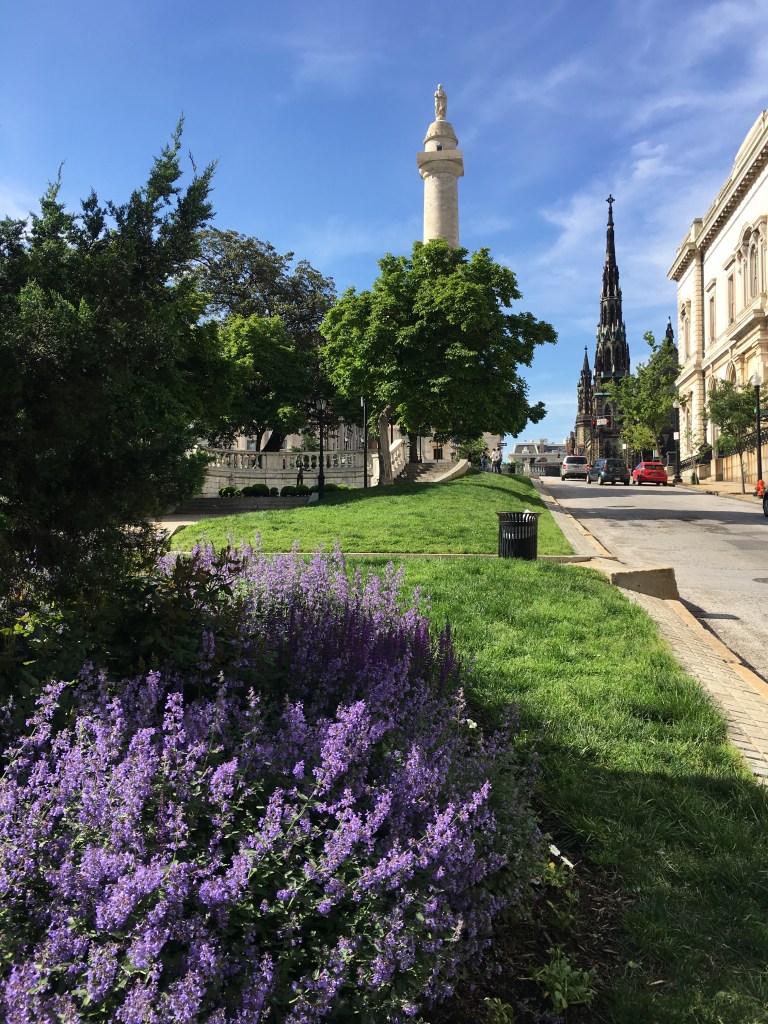
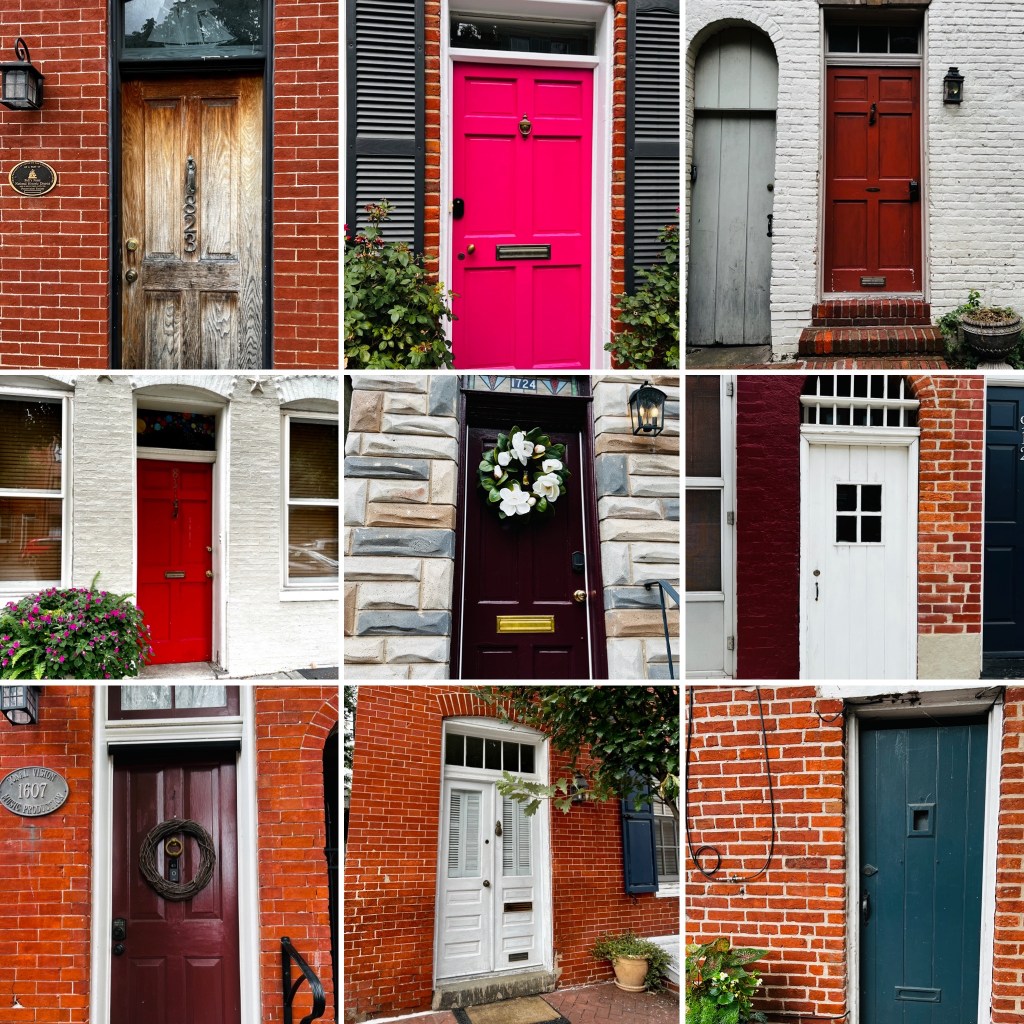
After dropping off your luggage at Hotel Revival – a boutique hotel in the Mount Vernon neighborhood – begin strolling along the narrow roads to see beautifully-preserved Romanesque, Italianate, Greek Revival and Queen Anne architecture dating to the 19th and early 20th centuries. A memorial to the first president, the George Washington Monument (mountvernonplace.org), predates Washington, D.C.’s towering obelisk. You can climb to the top of the tower to enjoy the incredible views and get a great workout.
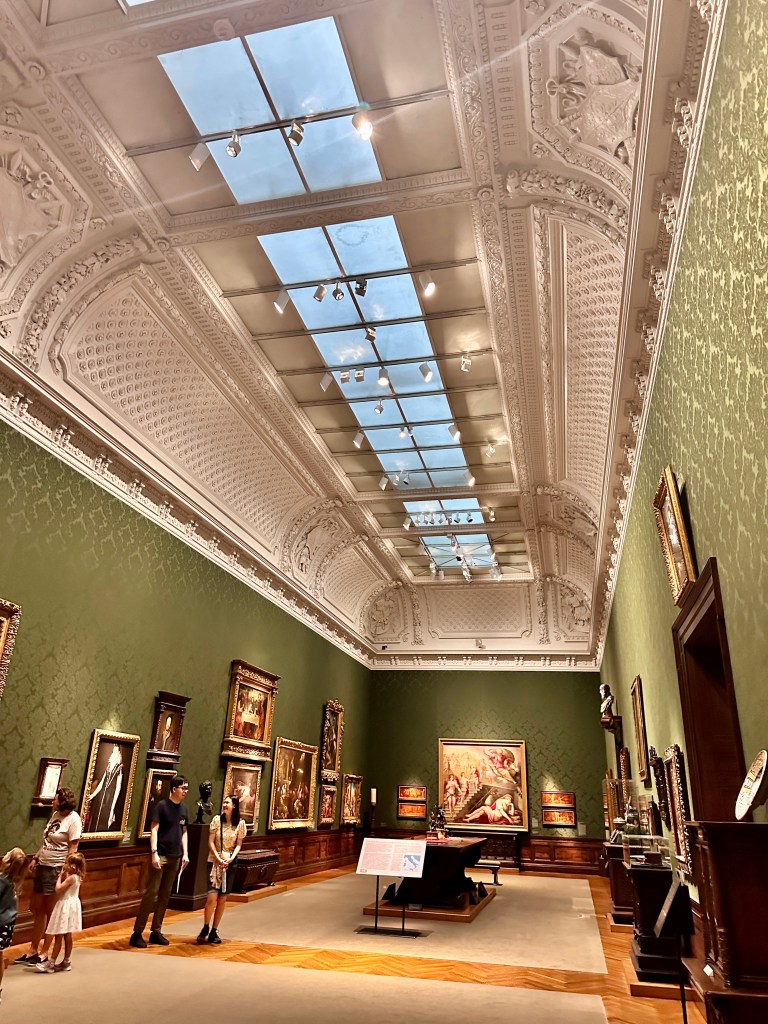
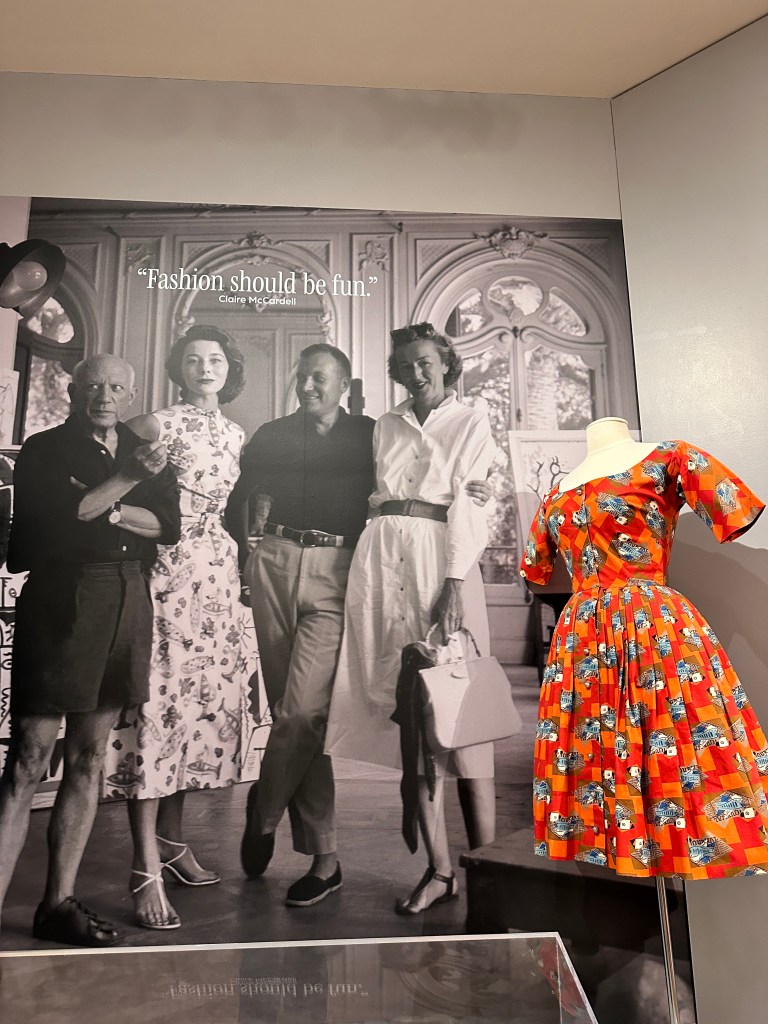
Next stop is the Walters Art Museum (thewalters.org), which offers free tours and is home to Egyptian, Renaissance, Impressionist, Asian and Middle Eastern artwork. If you need a pick-me-up, the museum has a lovely coffee stand or you can try Cuples Tea House (cuplesteahouse.com), also the home of Vinyl & Pages books and record store (vinylandpages.com). If you’re open to another museum, I recommend the Maryland Center for History and Culture (mdhistory.org), which traces the Old Line State’s contributions to American heritage and the arts. The center’s collection contains artifacts from 5,000 B.C. to the present day, but the highlight for your fashionistas out there is an exhibit featuring Maryland-born designer Claire McCardell, who refined women’s fashion in America in the 1950s – 1970’s.
It’s lunchtime, so head over to historic Lexington Market, the world’s oldest continuously operating market, now housed in a brand new building. Lexington Market vendors specialize in hyper-local food, whether you’re looking for fresh-caught seafood, Old Bay seasoning, or famous Berger Cookies. (pro tip: try Super Fried Chicken)

Walk by Edgar Allan Poe’s gravesite at Westminster Hall & Burying Ground (westminsterhall.org); the writer lived in Baltimore with his young wife, Virginia, before her death from tuberculosis. Poe died in 1849, rumored to have had his last drink in Fells Point. If it’s open, tour the Bromo Seltzer Arts Tower, where you can see local artists at work and take a tour of this early 20th century clock tower. That evening make a reservation to dine at Magdalena in The Ivy Hotel, for a gourmet dinner and lovely ambiance.

Day 2
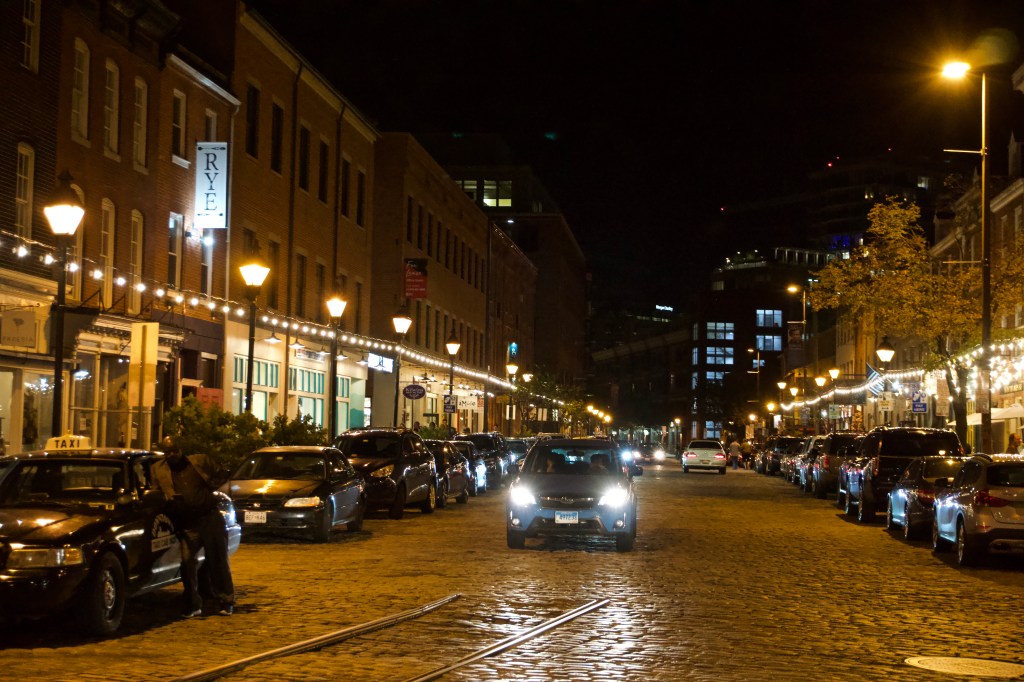
Begin by strolling Fells Point. This National Historic District was founded in 1763 and resembles a European waterfront village. Today, the neighborhood consists of rowhouses, cobblestone streets and narrow alleyways. But Fells Point is best known for its vibrant nightlife. Many buildings were repurposed, including the uber-luxurious Sagamore Pendry Hotel. This 100-year-old Beaux Arts structure was once a recreation pier and served as a landing point for new immigrants. If you want to feast on local seafood, I recommend dining at Captain James Crab House.
The waterfront area is also home to the magnificent National Aquarium, where you can observe the sharks, tropical fish, jelly fish, puffins and giant turtles in an otherworldly environment. See my post about this wonderful place.

After lunch, alk to the top of Federal Hill to take in views of Baltimore’s Inner Harbor and examine the cannons that date back to the War of 1812, when the British stormed Baltimore’s Fort McHenry, leading to Francis Scott Key’s penning of the national anthem. For lunch, visit Cross Street Market (crossstmarket.com), a revitalized 19th-century destination with modern eateries. Check out Watershed (watershedbaltimore.com), the market’s rooftop restaurant; it’s a great place to try Maryland crab soup. If available, take a cruise around the harbor on the Baltimore Water Taxi (baltimorewatertaxi.com. Before heading back to the hotel, dine at Limoncello (limoncellobaltimore.com), known for Kobe beef meatballs and bucatini alla amatriciana or Nicks Fish House(nicksfishhouse.com), with its beachy vibe, live music and menu for seafarers and landlubbers.
Day 3
Just a 20 minute drive from downtown Baltimore is Hampton National Historic Site, a National Park and one of most beautiful estates built during the late 18th century. In 1875, a journalist wrote: “Country people saw in amazement at what was to them a palace rising in the wilderness.” This Georgian colonial-era mansion was built by Captain Charles Ridgely, who owned 24,000 acres in Baltimore County. His empire consisted of ironworks, crops, mining and thoroughbred horses. Daily ranger tours take visitors through the mansion, quarters where enslaved people worked and lived, a dairy barn, cemetery, stables, icehouse and gardens. The 63-acre parkland has views of Baltimore’s pastoral horse country and downtown Towson. (Pro tip: dine at Spice & Dice Thai Restaurant)

While you’re in Baltimore County, don’t miss my favorite place to drink and buy local wine. Boordy Vineyards is the largest wine maker in Maryland and offers a first-class visitor experience. Take a tour of their high-tech production facility, sample their wines in the tasting barn, and maybe catch the occasional Shakespeare performance. Boordy farm dates back to the 19th century, but has become the top stop on the Piedmont Wine Trail.

Time to head home, but if you want to shop at some unique boutiques before leaving, head over to the Hampden neighborhood. It’s easy to find parking close to Hampden’s main drag, 36th Street aka “The Avenue.” Then, check out the hip boutiques and vintage shops. My favorites are Doubledutch Boutique and Balto. Maybe grab an ice cream code at The Charmery. Thanks for coming, hon.
 Travel and Dish
Leave a comment